Why Locavore Group Uses One Reservation System Across All Their Restaurants
Locavore Group operates five venues across Ubud and Sanur — a 20-course tasting menu, a pan-Indonesian restaurant, an Indonesian-folklore cocktail bar, a plant-based restaurant, and a Mediterranean rooftop. Each runs on different logic. We spoke with founders Eelke Plasmeijer and Ray Adriansyah about why they chose to run all of them on one reservation system.
 RegilioCo-founder, Revasi
Interviews8 min readPublished on April 22, 2026
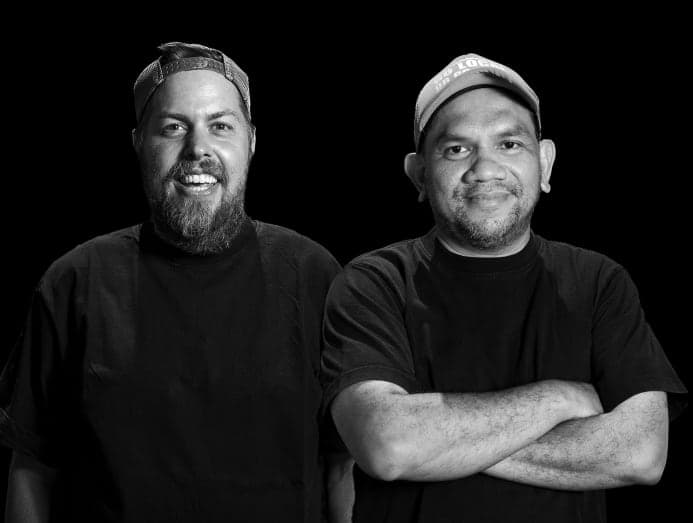
Eelke Plasmeijer and Ray Adriansyah have spent more than a decade building one of Asia's most recognised culinary groups from Ubud. Their flagship, Locavore NXT, ranked No. 44 on Asia's 50 Best Restaurants in 2026 — up from No. 92 the previous year. They have won the Sustainable Restaurant Award from Asia's 50 Best twice. They have diverted 98.4% of waste from landfill in a single operating year.
The group they run now spans five venues across two locations: a sixteen-course tasting menu, a pan-Indonesian restaurant, an Indonesian-folklore cocktail bar, a plant-based restaurant, and a Mediterranean rooftop concept in Sanur. Each operates on entirely different service logic. Each attracts a different kind of guest.
We spoke with them about the operational challenge of running that breadth of hospitality on one reservation system.
The Challenge: Different Concepts, One Operational Question
Running a hospitality group is not like running five separate restaurants that happen to share an ownership structure. The value of operating multiple concepts together comes from the things they share: guest relationships, staff knowledge, operational infrastructure, and the ability to move a guest from one venue to another with continuity of experience.
Reservations sit at the centre of that continuity. When a guest books Night Rooster for cocktails, the group should know whether they have previously dined at Locavore NXT. When a guest books cooking classes at Nusantara, the system should know about their dietary preferences before they arrive at Locavore NXT that evening.
The challenge is that each venue's reservation logic is fundamentally different. The solution most hospitality groups reach for is separate systems per venue — which solves the per-venue problem while eliminating all the group-level benefits.
Plasmeijer on the trade-off:
Choosing a single system means that system has to flex across all five operating models. The alternative — five systems — means the group-level intelligence never gets built.
How Each Venue Uses Reservations Differently
Each Locavore Group venue has a distinct reservation profile. Running them on one infrastructure required configuring each one independently while keeping the underlying data unified.
| Venue | Primary reservation challenge | How Revasi is configured |
|---|---|---|
| Locavore NXT | Dietary intelligence — kitchen prepares per-cover parallels for every restriction | Automatic detection + conditional ingredient questions at booking stage |
| Nusantara | Multiple booking types — dining, cooking classes, private dining — each with different payment and capacity logic | Three parallel booking flows with independent pre-payment triggers |
| Night Rooster | Walk-in culture — reservations must protect rather than crowd out spontaneous guests | Capacity split: portion of room held as unreservable at all times |
| Herbivore | Plant-based menu — guest dietary profiles must be precise to match kitchen preparation | Structured dietary data collection; guest profile carries across visits |
| Soléa / Mistral | Zoned rooftop — indoor and outdoor seating, dual-concept (bar + restaurant), hotel-level brand standards | Independent zone capacity; dual-concept scheduling; brand-consistent booking journey |
Why Reservations Are Operational, Not Administrative
The most important insight in how Locavore Group approaches reservations is the framing. For most hospitality businesses, a reservation system is a scheduling tool — a way to avoid double-booking and answer "how many tonight?" For Locavore Group, reservations are an input to operations.
Adriansyah on this directly:
At Locavore NXT, this is most explicit. The tasting menu format means the kitchen prepares for exactly the number and composition of covers booked. A reservation with an unresolved dietary flag is not an inconvenience — it is a preparation gap. Revasi's conditional dietary questioning resolves those gaps before the booking is confirmed.
At Nusantara, the operational input role of reservations extends to the cooking class programme. A guest who books The Full Adventure (7:00 AM market visit, then cooking) needs a confirmed pre-payment, a fixed participant count, and a structured confirmation that triggers the right kitchen and guide preparation. That is not achievable with a booking note in a general-purpose scheduling tool.
At Night Rooster, the operational input is inverted: the reservation data tells the team what not to overcommit, so that the walk-in guests who define the bar's atmosphere always have room.
Different venues, same principle: reservations shape how the team prepares, not just how they schedule.
One System, Five Different Configurations
The group's decision to use a single reservation platform was only viable because the platform could be configured independently per venue — not forced into a generic structure.
Plasmeijer on what made the difference:
In practice this meant:
- Locavore NXT's booking flow includes conditional ingredient questions (honey, dairy, shellfish) that do not appear anywhere else in the group's system
- Nusantara's booking flow presents three distinct booking types (dining, cooking class, private dining) each with their own capacity and payment logic
- Night Rooster's capacity configuration reserves a floor of walk-in seating that the booking system cannot touch regardless of reservation demand
- Soléa and Mistral on the same rooftop run separate booking flows with independent zone capacities that never interfere with each other
The underlying guest data — who visited which venue, how often, what their preferences are — is shared. The surface that guests interact with at booking is specific to the venue they are booking.
Adriansyah on the implementation process:
This distinction matters. The most common failure mode in hospitality technology adoption is the reverse: the restaurant adapts its operations to fit the software's assumptions. For a group built on culinary precision and operational intentionality, that trade-off was not acceptable.
The Group-Level Advantage: Shared Guest Data
The reason for choosing one system over five is not primarily cost or convenience. It is the guest profile that builds when bookings are unified across venues.
A guest who has visited Nusantara twice, attended a cooking class, and booked Night Rooster three times on separate trips — that history lives in one place. When they book Locavore NXT, the reservations team is not starting from zero. Dietary preferences logged at Nusantara carry forward. Recognition for frequent guests of the group is possible across venues, not just within one.
Plasmeijer on the architecture:
For an international dining audience that plans Bali trips around the Locavore Group as a whole — not just one restaurant — this matters. The group's ability to build a relationship with a returning guest across multiple visits and multiple venues depends on a unified data layer that individual venue-level systems cannot provide.
Frequently Asked Questions
What restaurants are part of Locavore Group?
Locavore Group currently operates five venues: Locavore NXT (20-course tasting menu, Ubud), Nusantara (pan-Indonesian restaurant with cooking classes, Ubud), Night Rooster (Indonesian-folklore cocktail bar, Ubud), Herbivore (plant-based restaurant, Ubud), and the Soléa and Mistral dual concept (Mediterranean tasting menu restaurant and cocktail bar on the Bali Beach Hotel rooftop, Sanur). All five use Revasi as their reservation infrastructure.
What reservation system does Locavore Group use?
All Locavore Group venues use Revasi, configured independently per venue on shared infrastructure. Each venue's booking flow reflects its specific operational logic — tasting menu dietary intelligence at Locavore NXT, multi-experience booking at Nusantara, walk-in capacity protection at Night Rooster, zone-based logic at Mistral and Soléa — while guest data is unified across the group.
Why did Locavore Group choose one reservation system rather than separate tools per venue?
The primary reason is group-level guest data. When a guest books across multiple Locavore venues on separate visits, a unified system builds a profile that reflects the full relationship — preferences, visit history, dietary requirements — not just activity at one venue. As Eelke Plasmeijer put it: "Every restaurant can use the system in its own way — but the underlying infrastructure is still shared."
How does Revasi handle such different venue types?
Each venue is configured independently within the same platform. Locavore NXT has conditional dietary questions; Nusantara has three parallel booking types with pre-payment; Night Rooster has a walk-in capacity floor that reservations cannot override; Soléa and Mistral have independent zone capacities for a dual-concept rooftop. The platform adapts to each venue's service logic rather than imposing a generic structure.
How do I book a Locavore Group restaurant?
Each venue has its own booking page through Revasi. Locavore NXT: locavorenxt.revasi.net/reservations. Nusantara: revasi.net/restaurants/nusantara. Night Rooster, Mistral, and other venues: revasi.net. Booking recommendations vary by venue — Locavore NXT requires 2–6 weeks ahead depending on season; Night Rooster and Mistral accept walk-ins.
The Locavore Group Venues — Individual Case Studies
Each venue in the group has its own operational story. Read the individual case studies for the full detail:
- Locavore NXT: How Asia's 50 Best Restaurant Handles Dietary Intelligence at the Booking Stage
- Nusantara Ubud: How One Restaurant Manages Dining, Cooking Classes, and Private Dining from One System
- Night Rooster Ubud: Inside Bali's Most Celebrated Cocktail Bar
- Mistral Dining Bar, Sanur: Craft Cocktails on Bali's Most Historic Rooftop
- Soléa Restaurant, Sanur: A Mediterranean Tasting Menu on Bali's Most Historic Rooftop
Writes about how high-end venues actually run service: bookings, upgrades, and turning first-time guests into regulars.
Keep reading.
The Complete Guide to Fine Dining in Sanur, Bali
Guides · 17 min read · October 19, 2026

What Good Reservation System Onboarding Looks Like
Insights · 9 min read · October 19, 2026
Reserve with Google: The Upgrades, Experiences and Guests You Lose
Insights · 12 min read · October 8, 2026